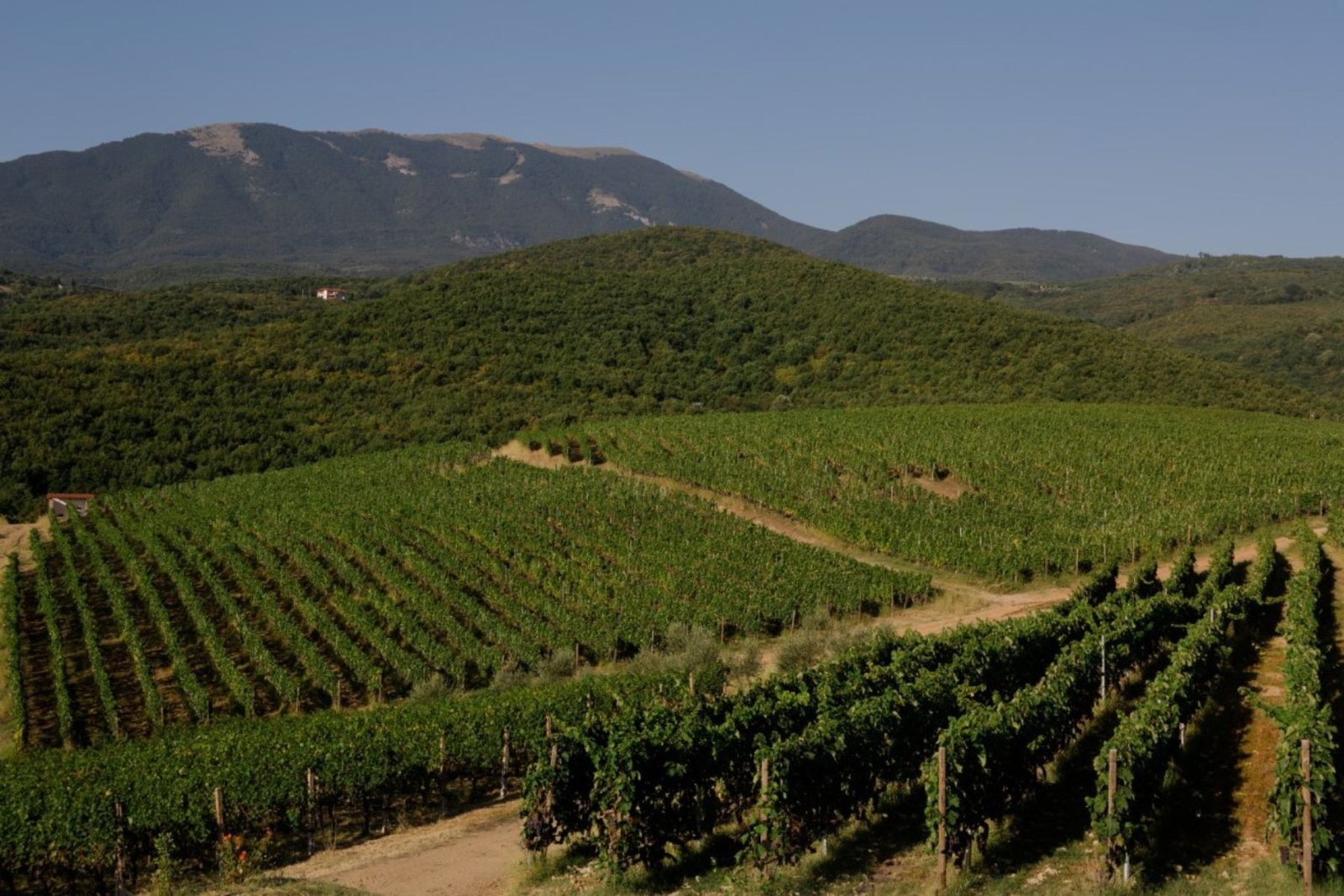
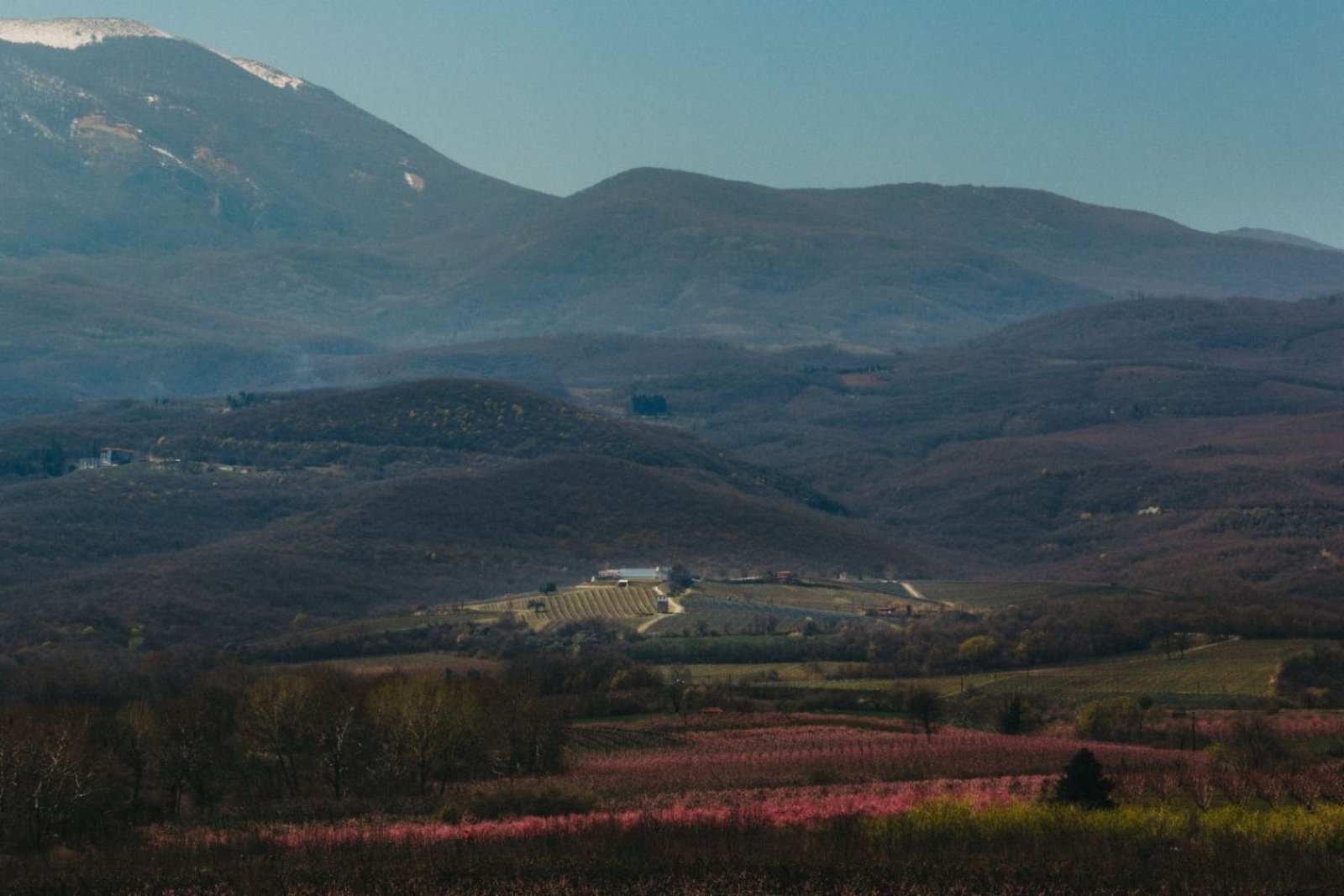
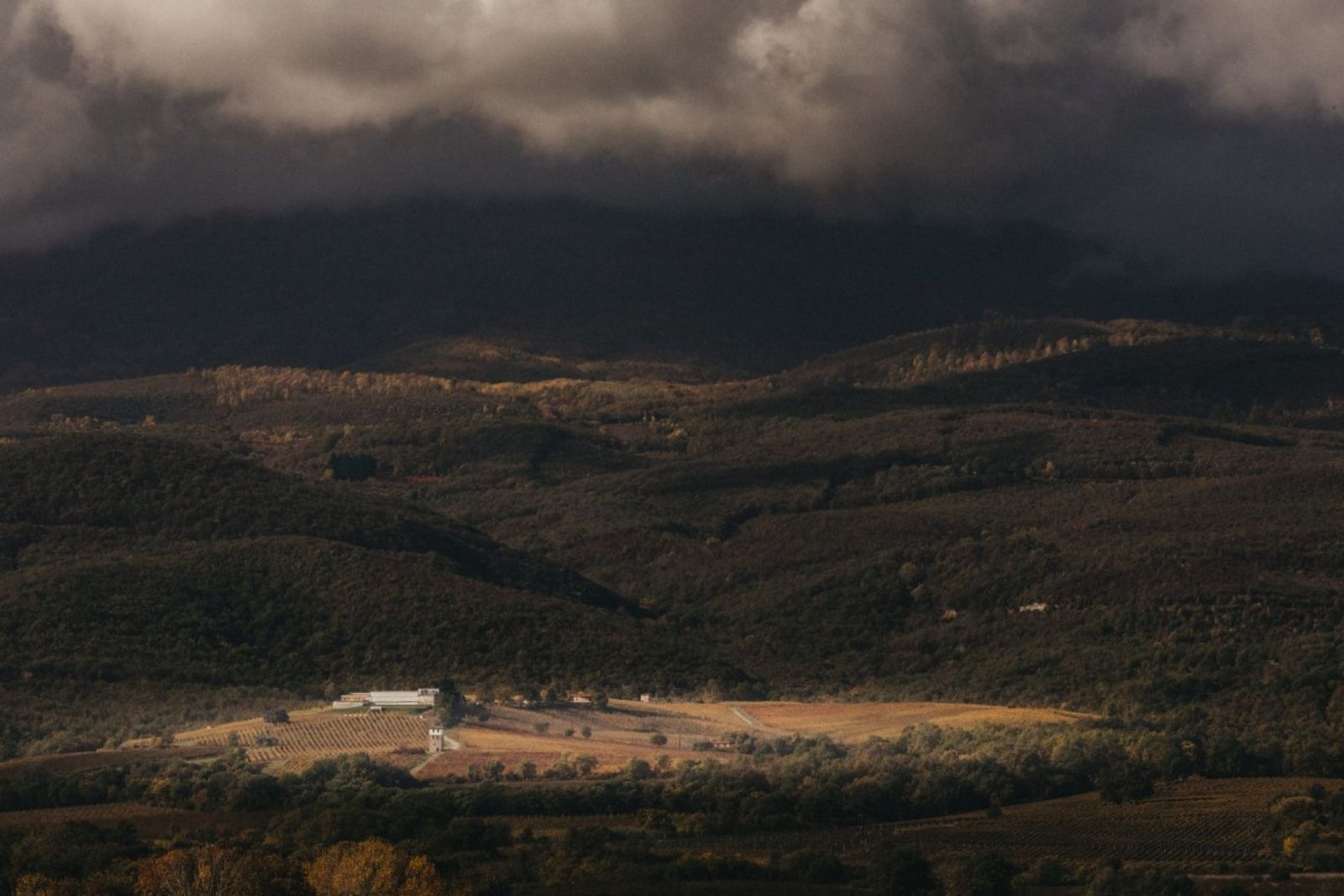
Here, mountain slopes covered with verdant forests, conifers and beech trees are kept cool by an abundance of running water from natural springs. Orchards are grown on the plains that bear delicious fruits including apples, cherries and peaches. The fertile land, distinctive culture and richness of family life is home to many generations of wine families devoted to community and an interconnected way of life.
Naoussa’s vines and wines have their roots on the lush green slopes of Mount Vermion, the place of origin and most important growing area of Xinomavro, “Naoussa’s black grape”. This indigenous, noble red grape variety produces robust, full-bodied wines. According to mythology, Mount Vermion was also the home of Semele, the mother of Dionysus, god of vine and wine, and the area where Silenus, Dionysus’s inseparable companion and friend, roamed.
Archaeologicalsites
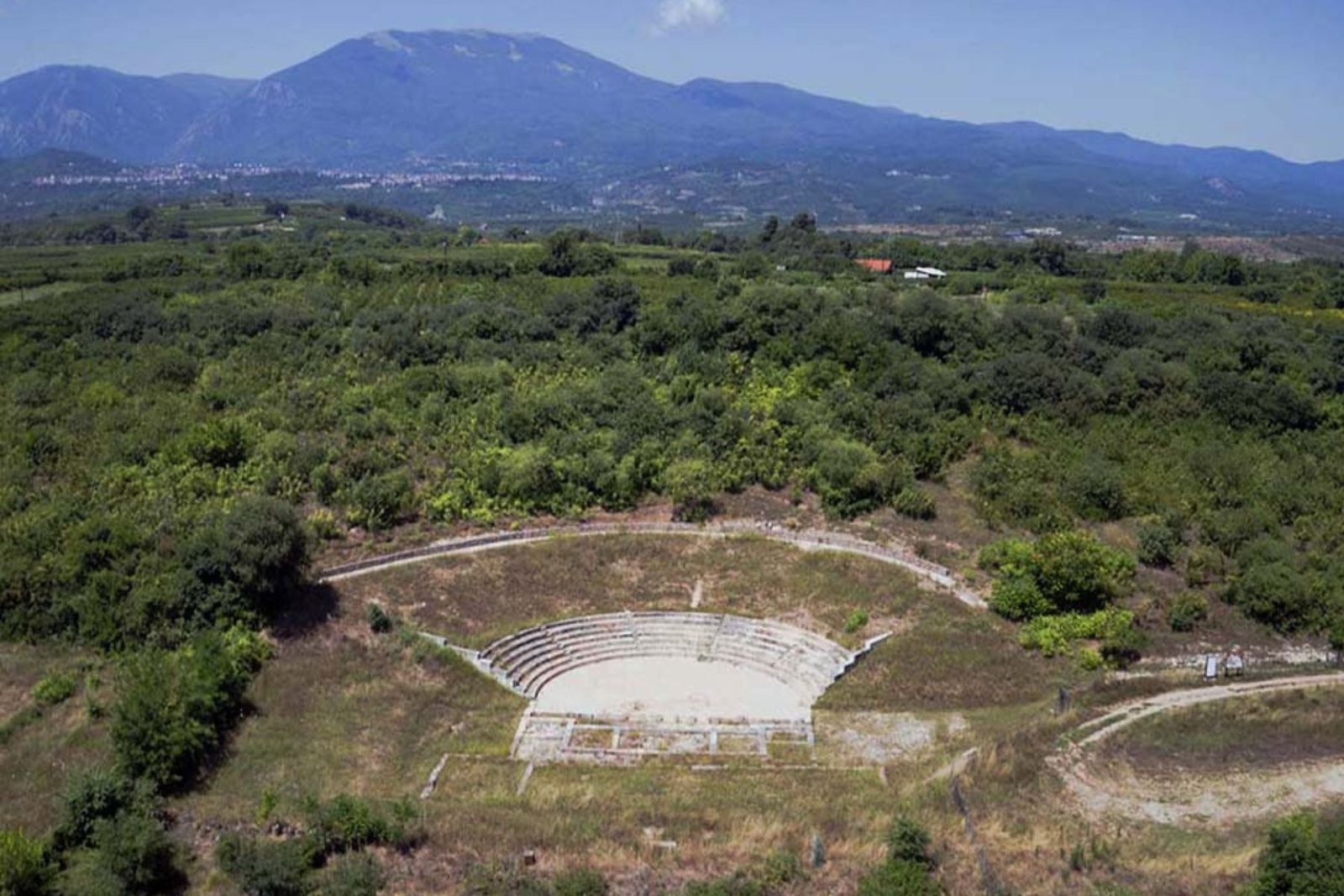
The town’s significant history is evident by the important archaeological findings which surround it. Among the most important discoveries are the School of Mieza, located in the center of the vine-growing area, where the philosopher Aristotle taught, as well as the famous Macedonian Tombs excavated in Lefkadia.
Economicprosperity
After the second half of the 19th century, the town of Naoussa prospered with noteworthy growth in textiles, trade and agriculture. Naoussa’s picturesque history is well-preserved in its historic, stately mansions, the pride and joy of the city with its characteristic Macedonian tiled roofs.
Carnivalseason
Each March, six weeks before Easter, local residents celebrate the “Genitsari and Boules” tradition by dancing through the towns narrow alleyways during Carnival, a ritual that wards off evil spirits and offers blessings for the grapes. This ritual exists harmoniously with Naoussa’s more modern elements including new vineyards planted on the surrounding plains and on the south- eastern slopes of Mount Vermion.