
X i n o m a v r o
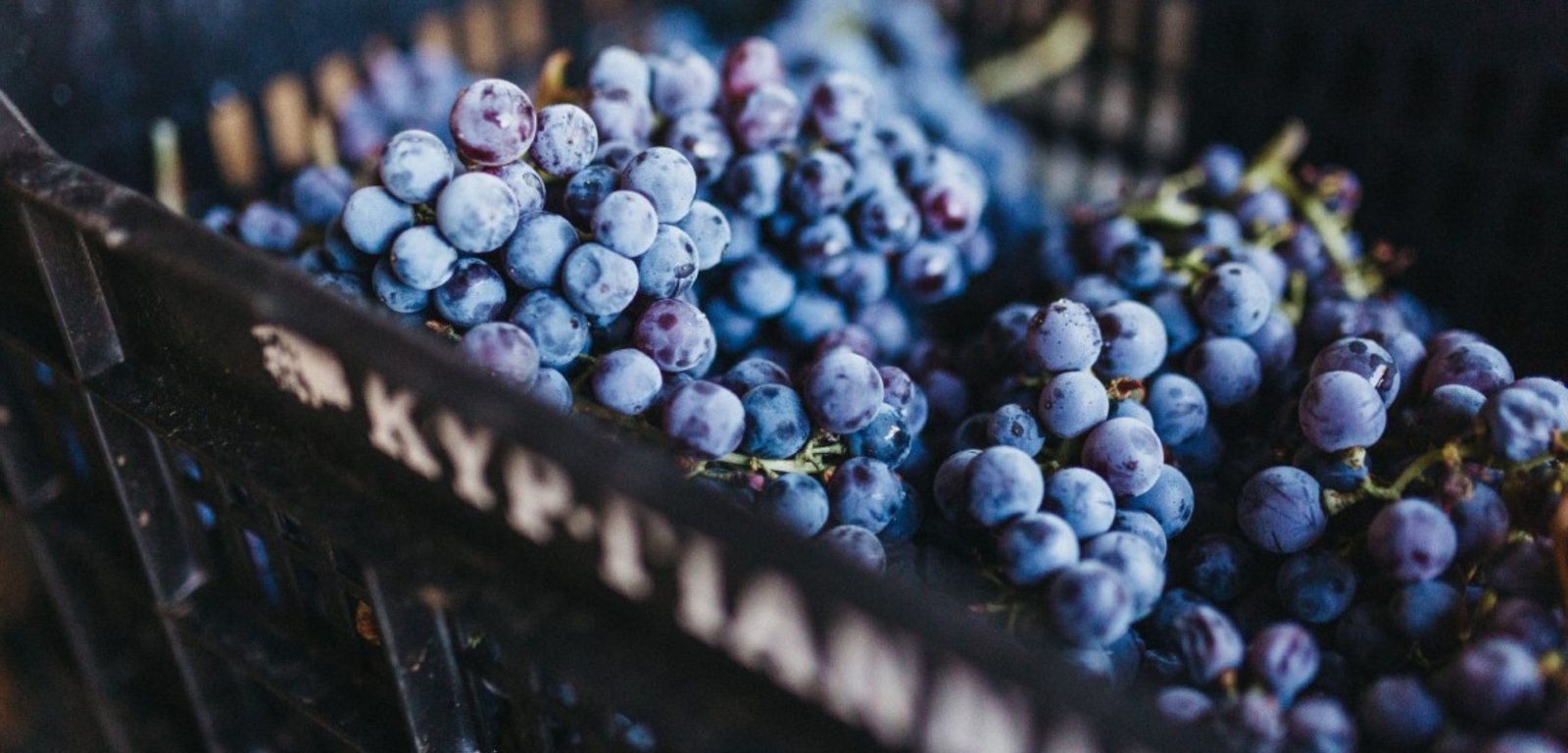
This is probably the most valuable indigenous black grape variety in Greece. It is cultivated throughout northern Greece, but its most famous wines come from Naoussa in Central Macedonia.
Xinomavro is often compared to Nebbiolo, as in their youth, the wines can have unpleasantly high levels of acidity and intense tannins, with aromas that are more vegetal and less fruity.
However, even though they generally have a pale color that quickly evolves into garnet, they can very often benefit from long aging in the bottle. The best examples are produced from low-yielding vines that mature in oak barrels, and they can age for decades, developing exceptionally complex aromas of flowers, herbs, spices, and leather with earthy notes.
Meet
X i n o m a v r o
A s p e c t r u m o f f r u i t a n d s a v o u r y d e p t h .
T h e W i n e s a n d T h e i r S t y l e
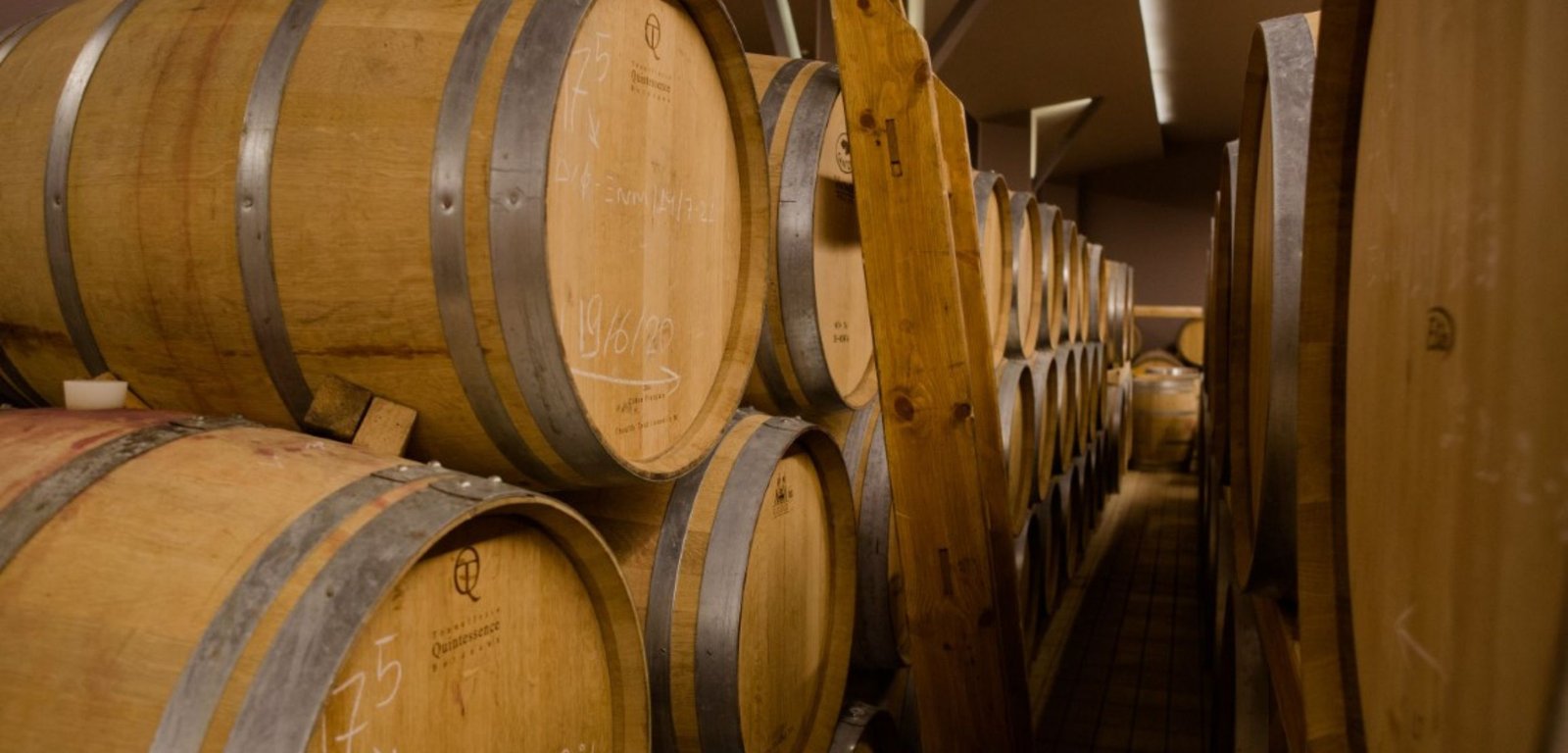
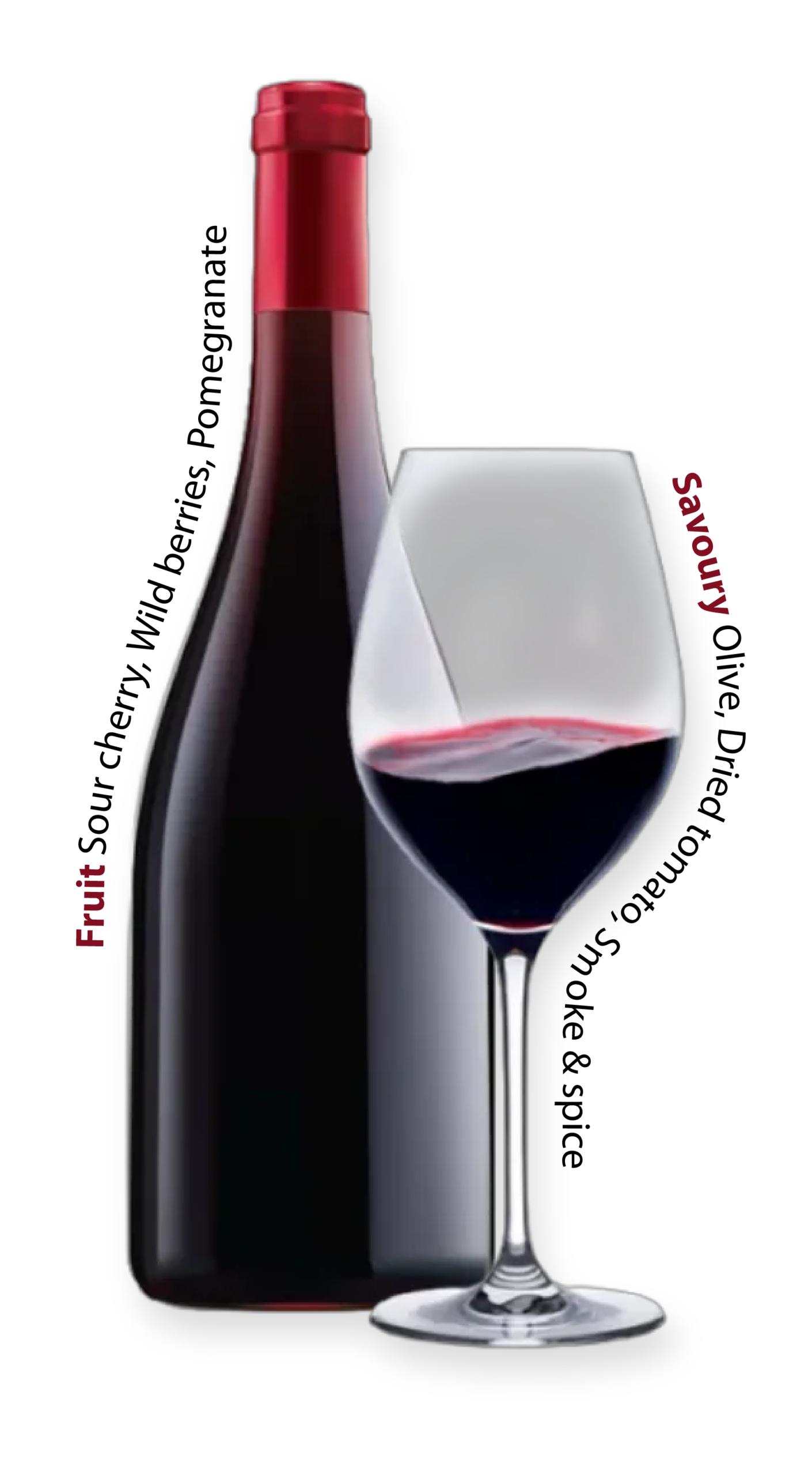
The wines of PDO Naoussa are made from 100% Xinomavro. They are primarily dry, although there are a few, albeit very rare, examples of semi-dry and semi-sweet wines. They have moderate alcohol and stand out for their high acidity, high tannins, and the great complexity of their aromas, which are reminiscent of small red fruits combined with the vegetal aromas of tomato. They are undeniably wines with great concentration despite their pale color, and they possess the potential to age for decades. Traditionally, the young wines matured in large, old oak barrels, thus acquiring intense, spicy, and fruity aromas, along with some animal, mushroom, and truffle notes as they aged.
Since the 1990s, some producers have started using new French oak barrels. These wines feature softer and well-structured tannins, a full body, and the characteristic aromas of the oak that offer additional complexity.
The trend that has been increasingly adopted in recent years is cold pre-fermentation maceration (cold soak) and the partial use of whole bunches during fermentation, resulting in wines with a deeper color, that are less tannic and more fruity.