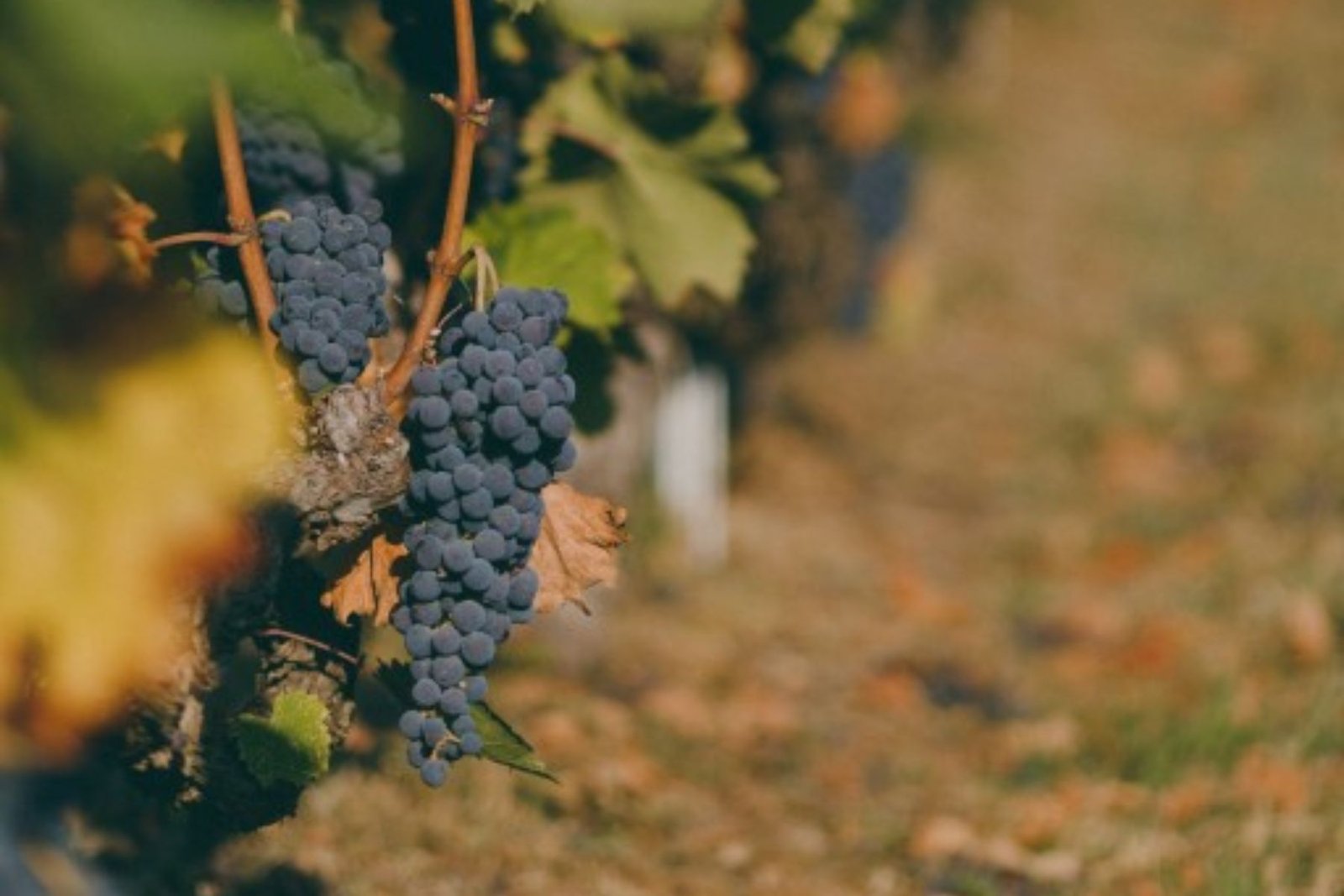
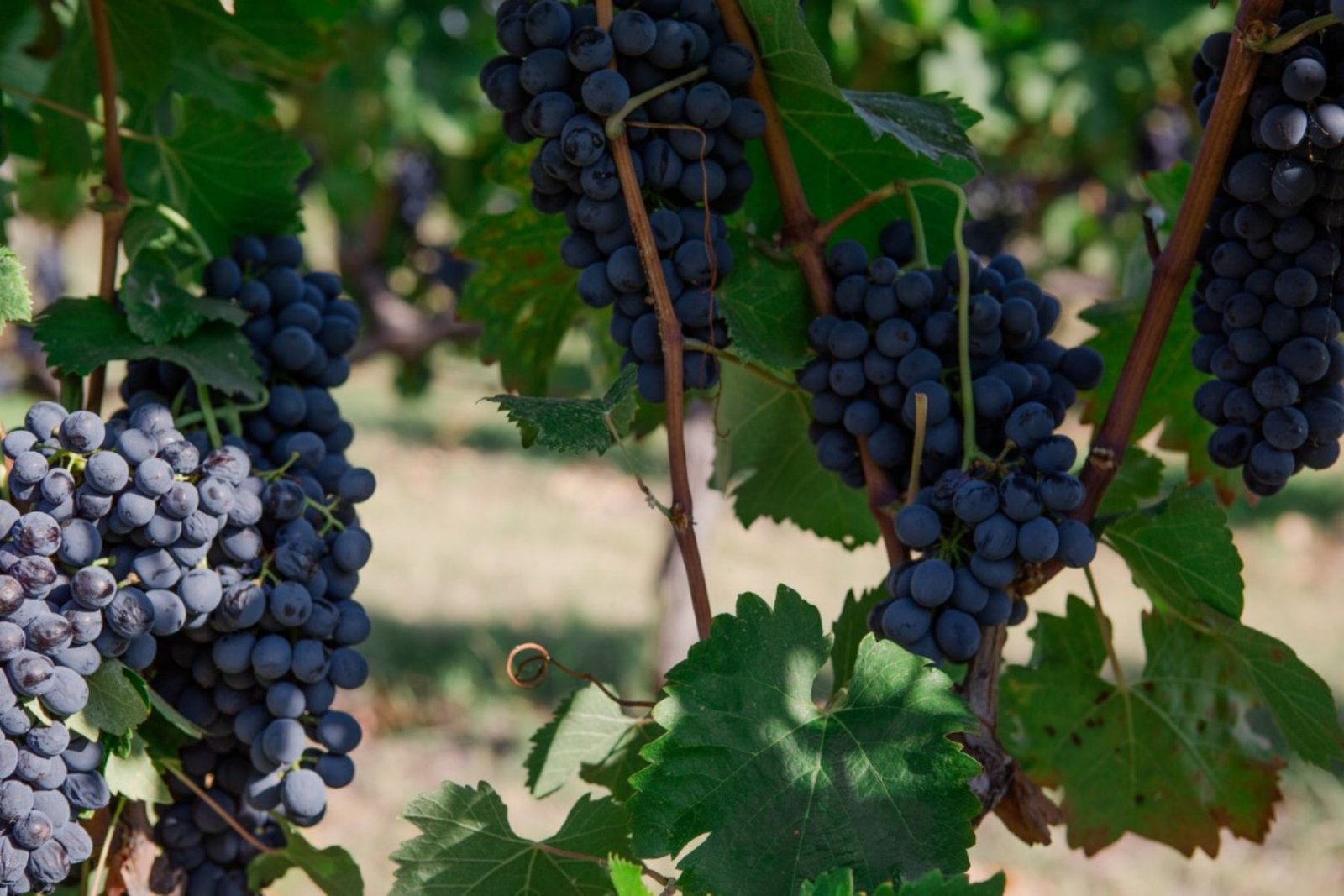
In 1971, Naoussa was recognized as a Protected Designation of Origin, with Xinomavro as the dominant variety.
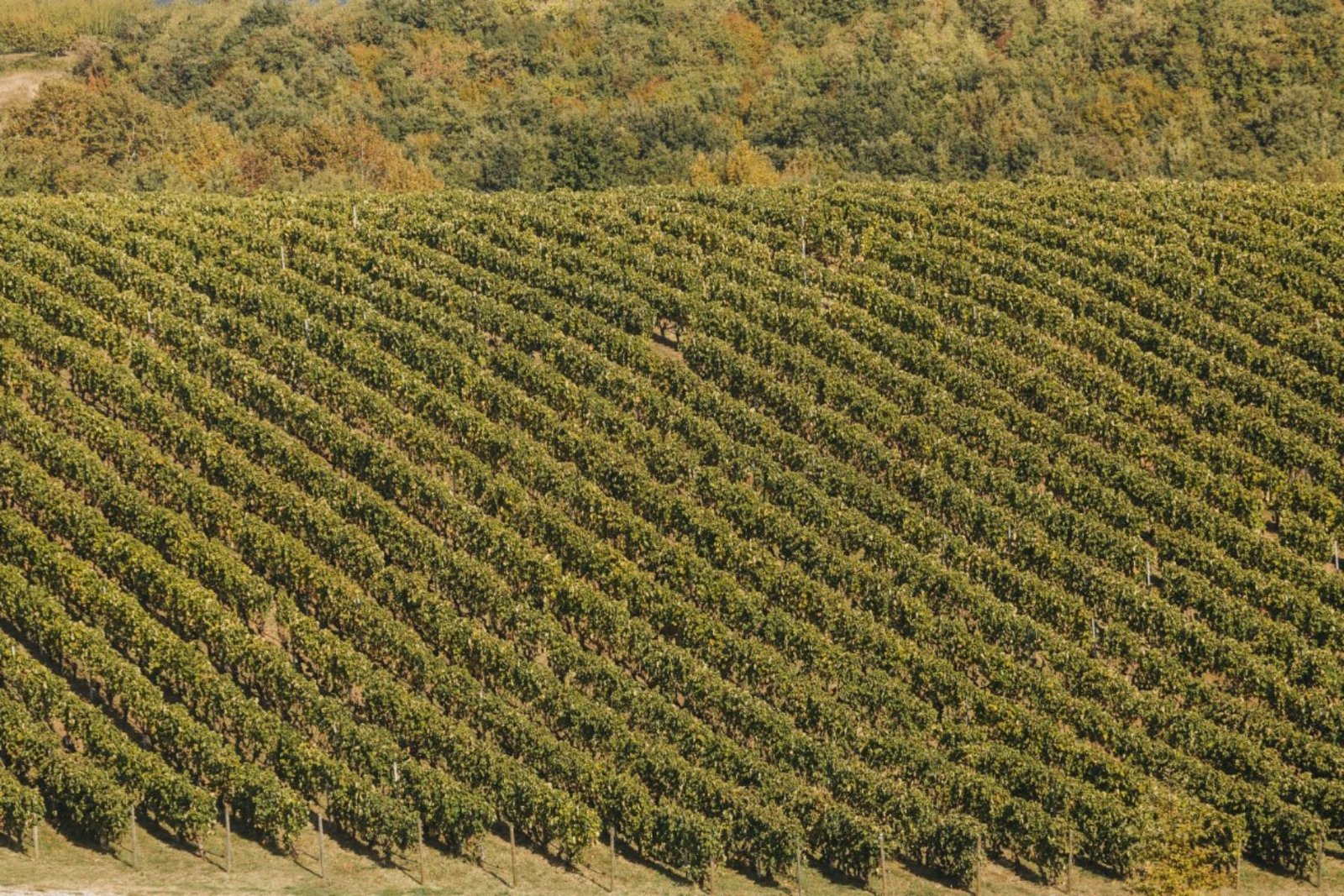
It is a milestone year, as viticulture gradually began to develop again and more systematically. However, the reconstituted vineyards differ significantly from one another, as well as from the pre-phylloxera ones, which were goblet-trained and quite densely planted. Today, the majority of the vineyards have a sparse planting density ranging from 2,000 to 2,700 plants per hectare.
According to legislation, the maximum yield per hectare must not exceed ten thousand kilograms per hectare, which is 75 hl/ha. The natural alcoholic strength must be above 11.0% abv, and the minimum total acidity expressed as tartaric acid must be 3.5 g/l.
For Naoussa Reserve, the total maturation must be at least 2 years, during which the wine must have aged in oak barrels for at least 12 months and in the bottle for at least 6 months.
For Naoussa Grande Reserve, the total maturation must be a minimum of 4 years, of which at least 18 months must be spent in oak barrels and an additional 18 months in the bottle.
The expansion of the vineyards in recent decades, combined with systematic research conducted on the potential of Xinomavro and the extent to which the variety differentiates in quality from area to area within the Naoussa zone itself, has led to a new understanding of its potential. This has guided producers towards vinifications from specific sub-regions and single vineyard plots that stand out for their distinct styles and quality.
In 1987, upon the initiative of the O.I.V. (International Organisation of Vine and Wine), Naoussa was declared an International City of Vine and Wine.