W e l c o m e t o N a o u s s a
Land of Wine, Culture and Heritage!

Land of Wine, Culture and Heritage!
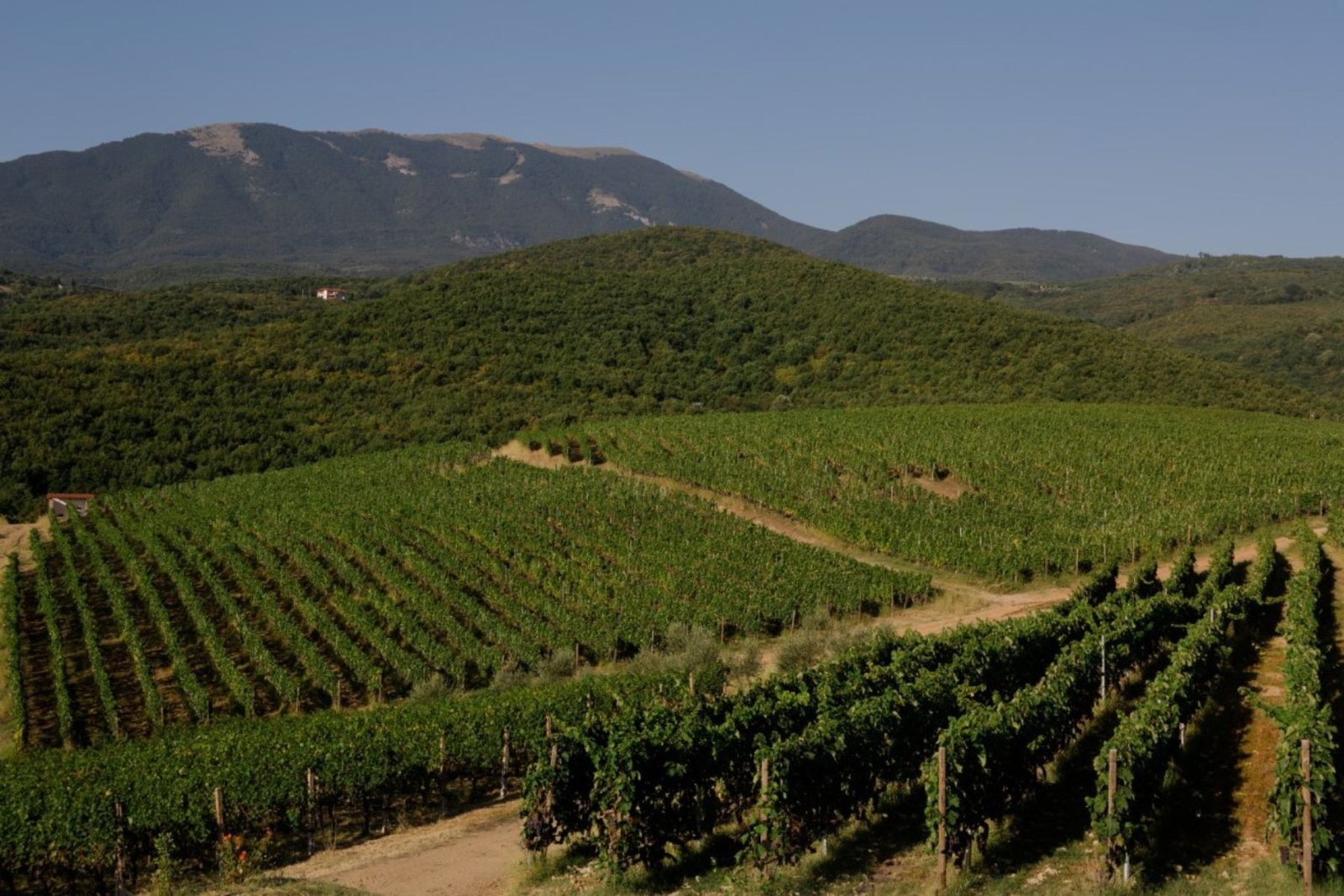
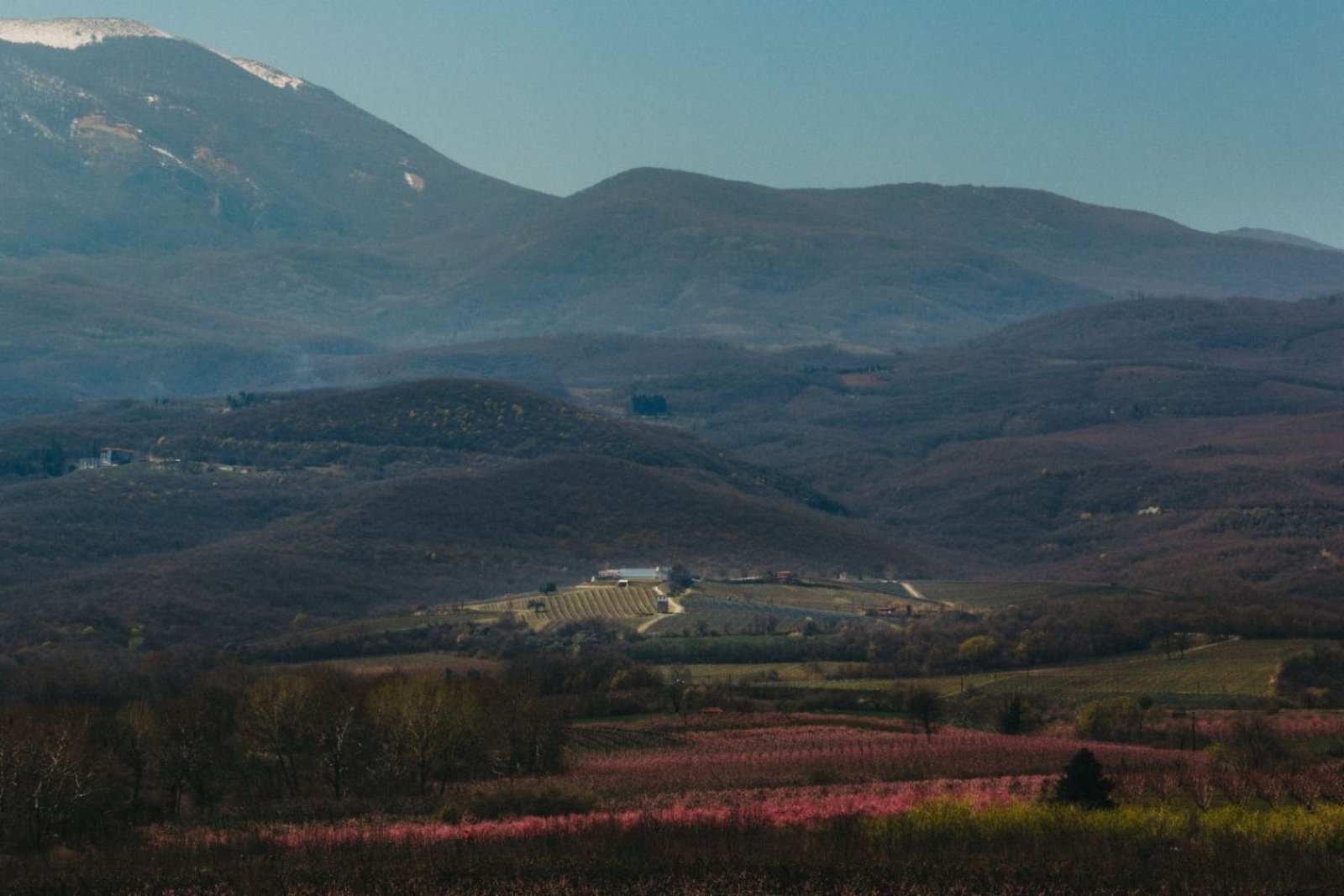
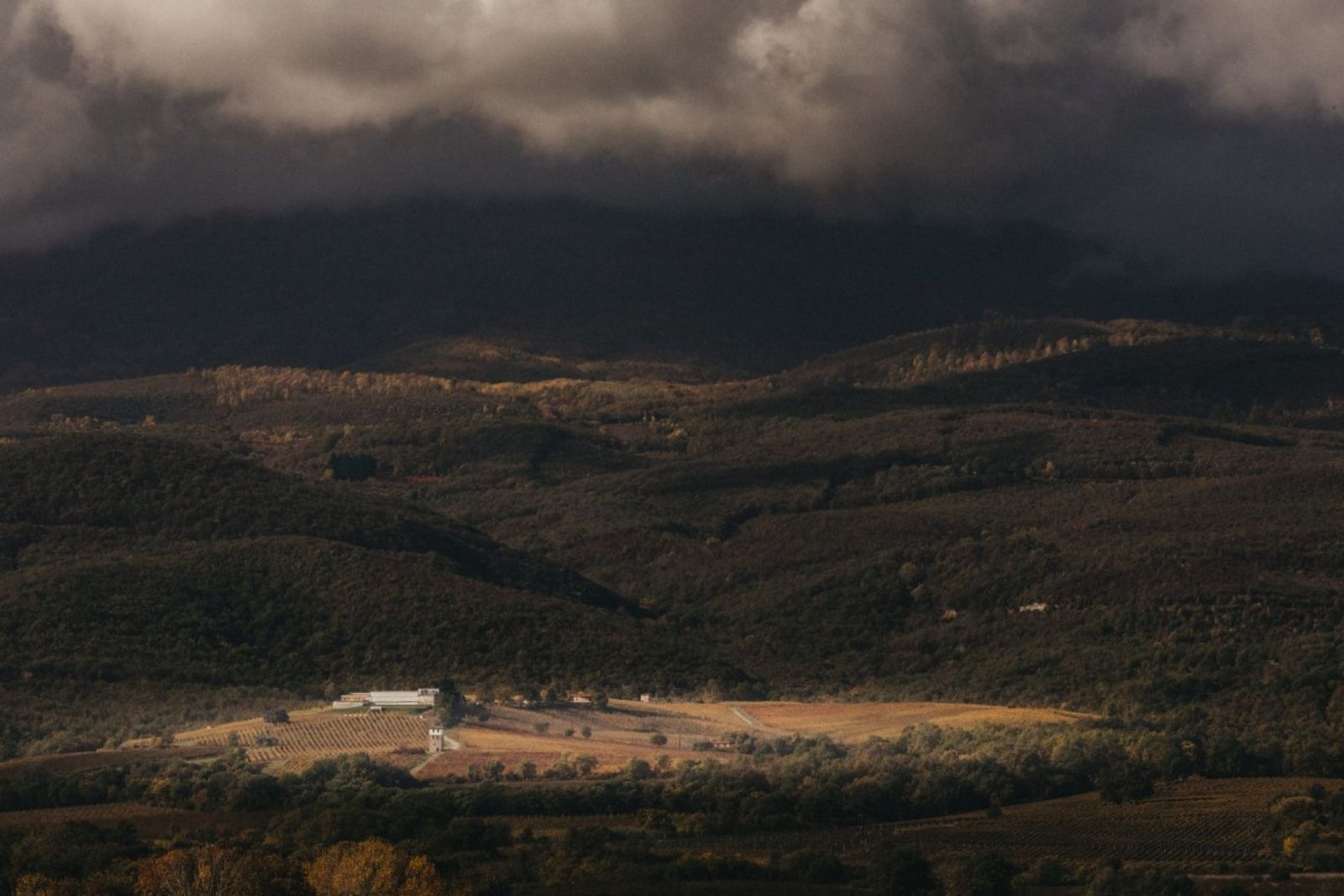
The PDO Naoussa is located on the southeastern slopes of Mount Vermio, and its scattered vineyards are planted at an altitude between 150 and 400 meters. The zone surrounding the eponymous town of Naoussa is less than 100 kilometers away from Thessaloniki, and the residents of Greece’s second-largest city have appreciated and enjoyed its robust wines for decades.
The viticultural zone of Naoussa is divided between the vineyards of the Municipality of Naoussa which include the small hills of Gastra and the communities of Giannakochori, Kopanos, Lefkadia, Marina, Rodochori, Stenimachos, Trilofos, and Fytia. Although the above “villages” are not included in the official nomenclature, unofficially, they could be considered akin to the corresponding villages of France, as each of them yields wines of a different character.
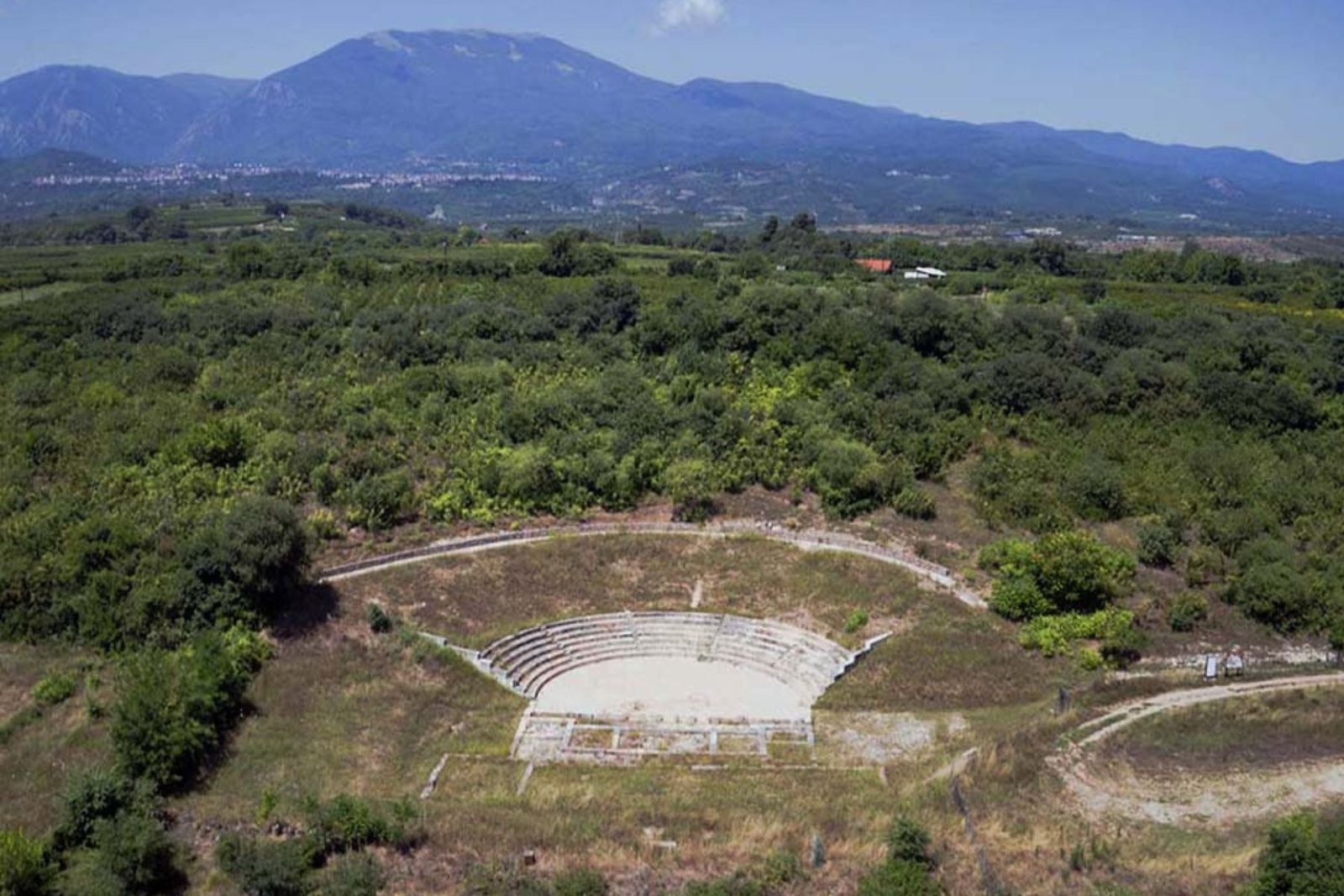
Naoussa is part of the Imathia region, and as a toponym, it is first mentioned by Homer in the Iliad with the characterization “captivating” Imathia.
The myths associated with this area prove that in today’s PDO Naoussa, not only was viticulture widespread, but so was wine production, dating back to prehistoric times.
From the period of Alexander the Great, references to the region’s wine production intensify even more and continue without interruption to this day. There are countless mentions of the quality of Naoussa wines, which begin to become even more frequent from the 16th century onwards.
The development of viticulture in Naoussa at the beginning of the 20th century is estimated to have covered an area of 2,200 hectares. In 1928, however, with the invasion of phylloxera, the majority of its vineyards were destroyed. Replanting began in the mid-1930s using phylloxera-resistant rootstocks; however, the extent of the vineyards up until the early 1960s did not exceed 50 hectares.
The vineyards of Naoussa do not form a single, continuous entity but alternate with other types of crops, mainly fruit-bearing trees, and wild vegetation. It is this biodiversity that contributes greatly to the uniqueness of Naoussa’s terroir.