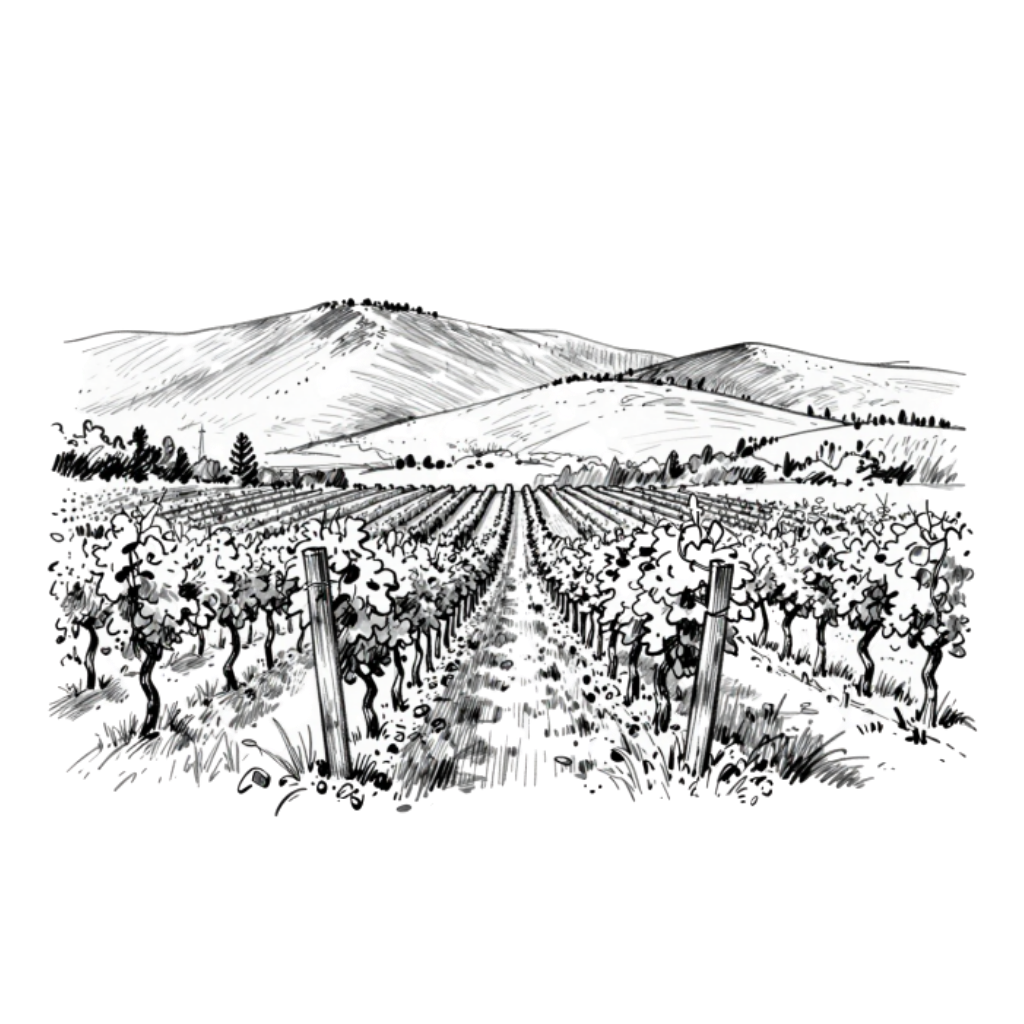
In Greek mythology, the gardens of King Midas were located at the foothills of Mount Vermio, right where the viticultural zone of Naoussa lies today, and they were renowned even then for their wonderful wine.
According to the myth, King Midas captured Silenus by mixing the water of a spring in his gardens with abundant wine.
In Greek mythology, Silenus (or Seilenos) was a wise creature of the forest and of nature, a loyal companion, teacher, and advisor, as well as a father figure and nurturer to the god Dionysus.
He loved music, dancing, and revelry. Despite his comical appearance, he was considered to possess profound cosmic wisdom and could foresee the future.
Midas knew that Silenus frequented this specific area, where he would rest and enjoy the water from the spring that cooled his gardens. So, one day, he poured plenty of wine into the spring’s water. When Silenus, known for his weakness for drink, came to the spring to quench his thirst, he became intoxicated by the wine and fell asleep. Thus, Midas was able to capture him easily in order to have him reveal the secrets of wisdom.
1930
A Devastating Turning Point
Phylloxera brought widespread destruction to the vineyards, dramatically changing Naoussa’s historic wine-growing landscape.
Late 1960s
The Vineyards Return
The vineyards were replanted with stronger, more resilient vines, marking the beginning of a determined return to wine production.
Early 1970s
A Wine Region Reborn
Growers and winemakers worked together to recreate the vineyards and restore Xinomavro to its most important place of origin.
A New Era
Precision in the Vineyard
Soil mapping, improved cultivation and carefully selected plantings helped each vineyard reveal its own distinctive character.
Today
Xinomavro, Rediscovered
A new generation combines regional knowledge with modern technology, revealing Xinomavro’s complexity, versatility and remarkable ageing potential.